
Carroll County Active Warrants Explained
When a warrant stays open in the system that tracks it, Carroll County labels it active or outstanding, but the county publishes no local code defining those terms, so confirm the status rather than assume it. The sheriff's official FAQ notes that the office keeps thousands of District Court and Circuit Court arrest warrants on file and will give warrant information over the telephone. Call 870-423-2901. During Monday through Friday office hours, choose administration; after hours, dispatch takes the call. Ask for four things: the warrant date, the charges, the bond amount, and the issuing court. Those details separate a current answer from an old docket entry. Skip copied lists, booking pages, and search snippets. Only the office that holds the warrant and the court that issued it can give you a solid answer about an active warrant.
No Carroll County Online List
Carroll County publishes no online warrant list, no searchable roster of outstanding warrants, and no public update schedule. That absence matters. It does not mean warrants do not exist. It means the county's official method is phone confirmation, not a self-service name index.
Quick answer: Call the sheriff first, then contact the issuing court. A missing web result cannot confirm that no warrant exists.
For broader agency information, the official Carroll County Sheriff's Office page covers the department's own services.
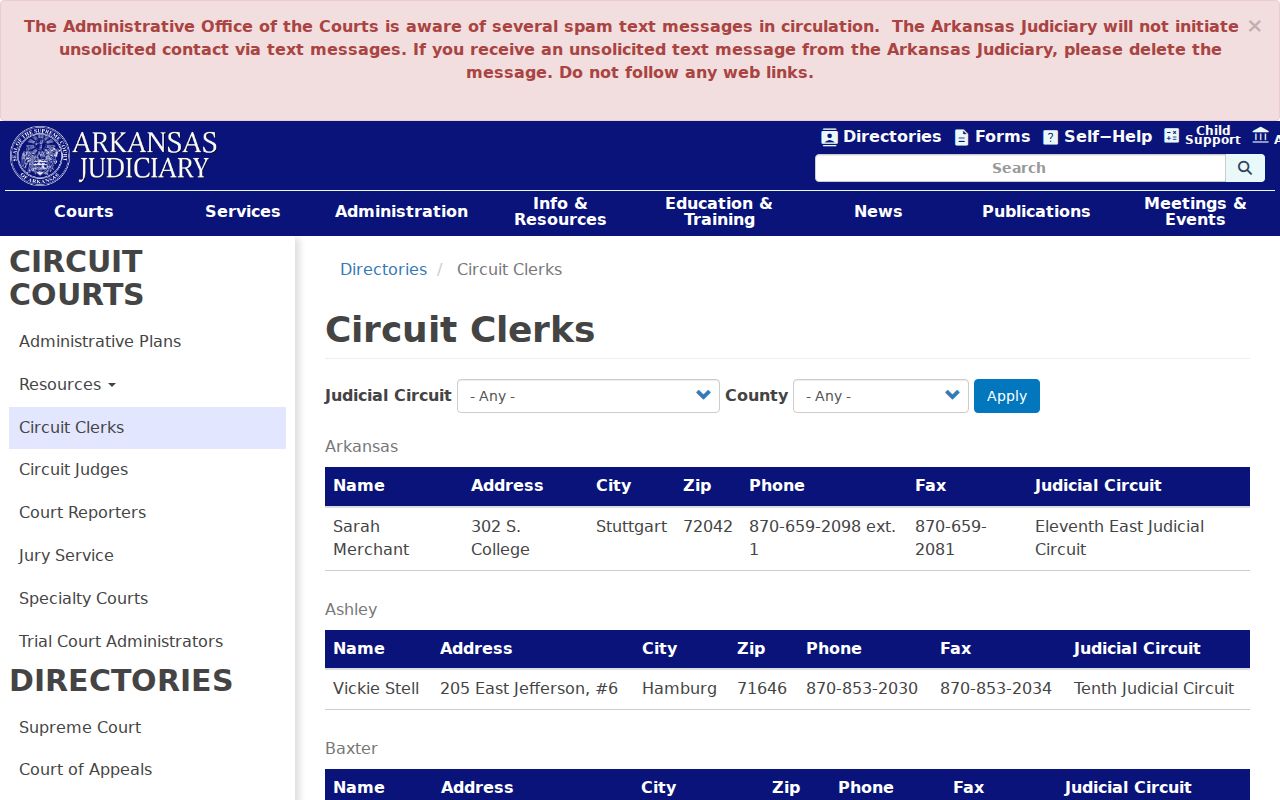
The official directory route helps verify the clerk responsible for court-side records.
How Carroll County Tracks Active Warrants
The sheriff maintains and serves Carroll County warrants that come out of Circuit Court and District Court. Circuit Court handles felonies. District Court covers traffic matters, misdemeanors, ordinance violations, and preliminary felony proceedings. City cases may sit with a local court or a district department instead. Because of that split, the issuing-court field is the anchor of any active-warrant check. Search ARCourts can show case events, but it is not the sheriff's working warrant system. ACIC and NCIC are criminal-justice databases open only to authorized users, and a FOIA request cannot turn into an ACIC search. So start with sheriff confirmation. Write down the issuing court. Then ask that clerk whether any later order affects the warrant. That sequence covers both the law-enforcement side and the judicial side of an outstanding warrant in Carroll County.
Roster Versus Carroll County Warrants
The official inmate roster is a custody tool, not a list of every active warrant in Carroll County. You can search by first or last name, switch between current and released tabs, sort by date, and page through results. Someone can have a warrant yet never show in current custody. A booking can also involve a warrant already served.
| Source | What it shows | What it cannot prove |
|---|---|---|
| Sheriff phone inquiry | Current public warrant fields | Final court outcome |
| Inmate roster | Current or released custody entries | Complete active-warrant status |
| Search ARCourts | Public case and docket events | Live sheriff status |
The roster itself cautions that its public data is for convenience and is not certified as complete or accurate. Charges and bail can change.
Inside an Active Warrant Record
Call the Carroll County sheriff and you may learn the warrant date, the charge or charges, the bond amount, and the issuing court. A public docket adds more: case number, court division, event date, event description, and a document title. These fields come from different sources, so keep them apart rather than blending them into a profile no office actually gave you.
| Warrant date | The administrative date reported by the sheriff. |
|---|---|
| Charge | The stated charge, not a finding of guilt. |
| Bond amount | The court-set figure, which may change. |
| Issuing court | The office that controls judicial action. |
| Case event | A docket entry such as issued or served. |
A docket entry marked issued does not prove current status. A served entry says nothing about the final case outcome.
Reading Carroll County Status Events
The Search ARCourts interface takes name and case-description terms, and it shows public case-search results rather than any Carroll County warrant list.
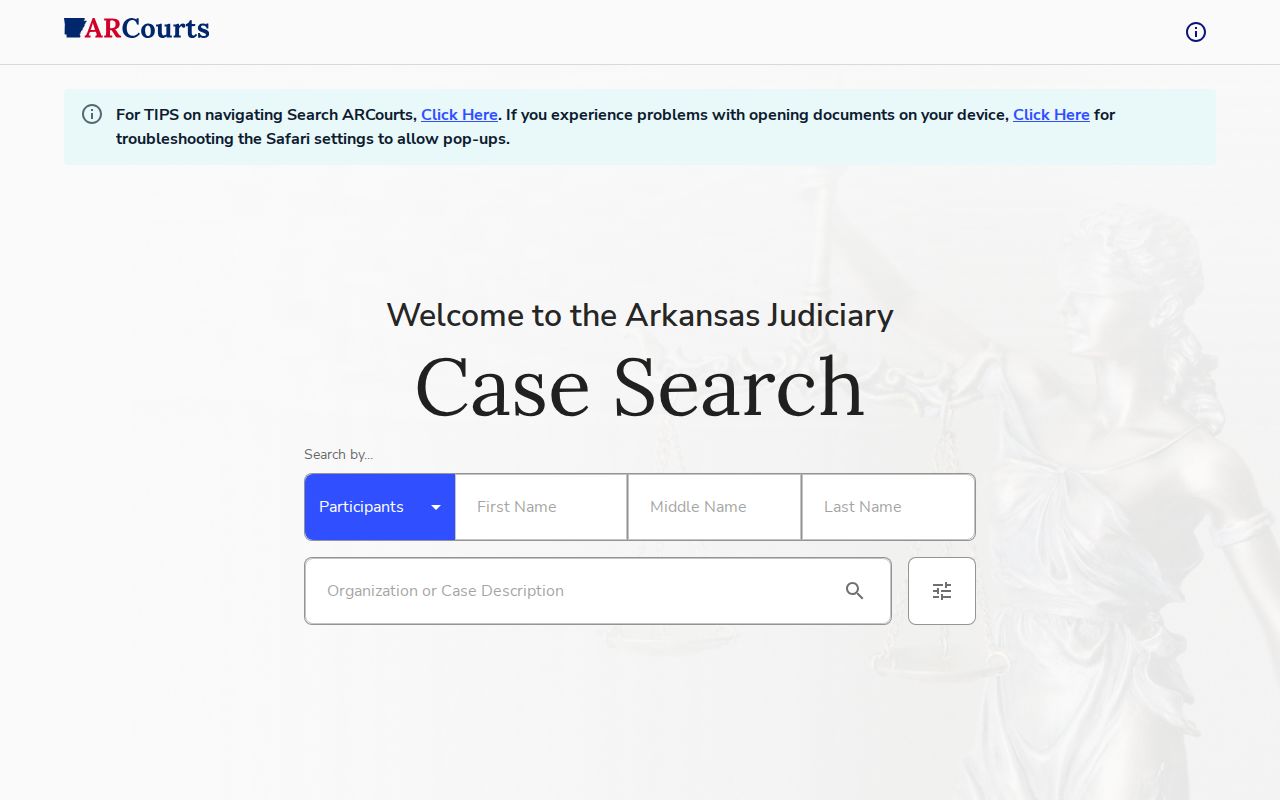
Carroll County cases there may carry labels like issued, served, affidavit for warrant, or sealed arrest warrant, and each one needs its own reading.
- Issued
- The court docket records issuance, not present-day activity.
- Served
- Service occurred, but the case can continue.
- Recalled or quashed
- Court action ended or replaced the process, though the event may remain visible.
- Sealed
- Public details are restricted and must not be inferred.
The Arkansas circuit-judge directory lays out the Nineteenth East Judicial Circuit, the circuit that includes Carroll County.
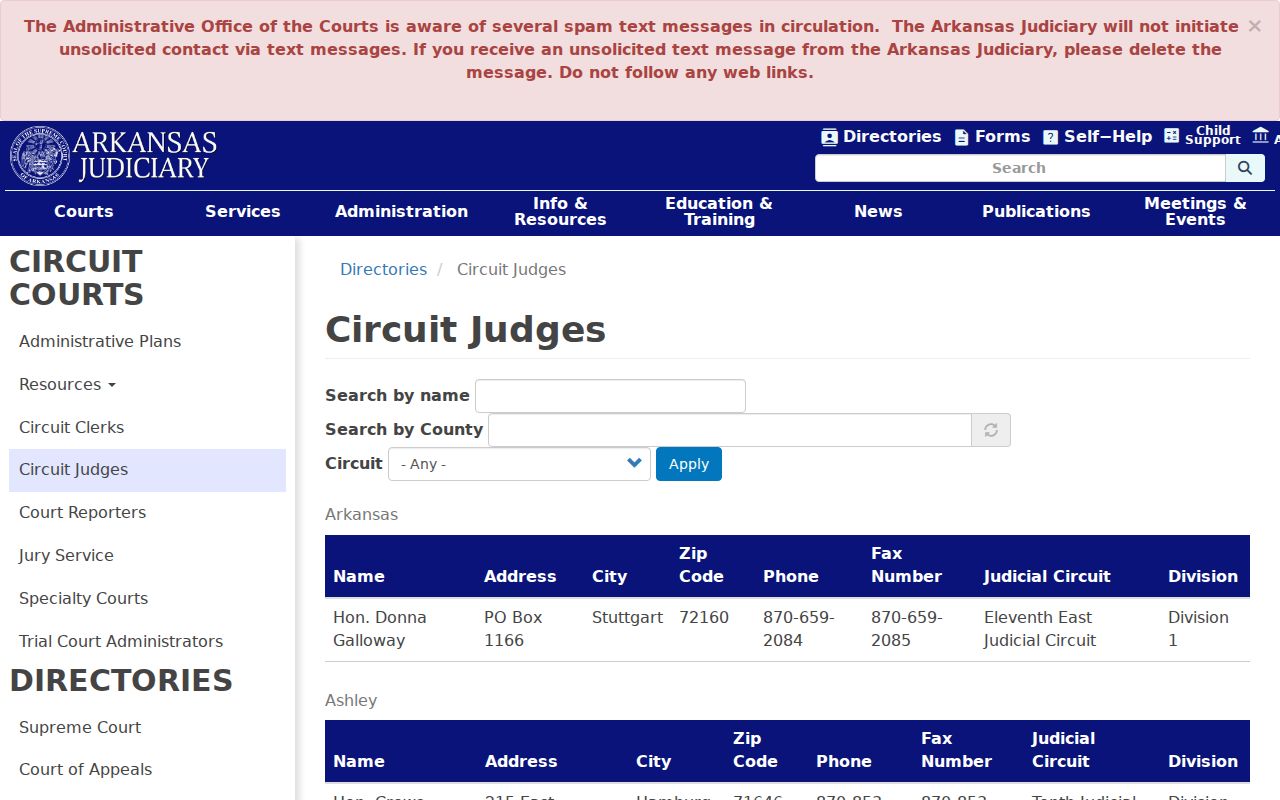
This source confirms the judicial route without claiming to display current warrants.
Warrant Roundups and Most-Wanted Lists
The Carroll County Sheriff runs no most-wanted page, reward schedule, roundup, or warrant-amnesty event. Berryville posts a generic "Most Wanted" link among its important links, but no verified roster sits behind it. Treat that gap as a gap. Tips are a separate matter from warrant checks. The sheriff lists drug@carrollcountysheriff.net for anonymous narcotics tips and cid@carrollcountysheriff.net for other crimes. Neither inbox is watched around the clock. Emergencies go to 911. If you want your own warrant status, use the main warrant phone line rather than a tip channel. And no one should approach or track a person based on a list or a rumor.
Carroll County Service Geography
Deputies can serve a Carroll County warrant in several settings. Traffic stops are one. A last-known home or work address works too. The sheriff's FAQ draws the broader lines on reach. A misdemeanor arrest warrant may be served anywhere in Arkansas. A felony warrant goes further. It is extraditable from anywhere in the United States, and extradition is generally authorized once another jurisdiction reports custody. Those are general statements, not promises about one case. Timing and reach depend on the process and the legal decisions behind it. Municipal police, Arkansas State Police, and federal partners may also act within their own authority. And if another agency makes the arrest, its full file is not automatically a Carroll County record, so ask the sheriff which office keeps the record and which court issued the warrant.
When Your Name Is on the Warrant List
No Carroll County warrant list is published, so what matters is a sheriff confirmation or a court record in your name. Don't ignore it. Don't assume payment alone clears it. Ask the sheriff for the issuing court and the current bond information. Then call the clerk and ask whether the court requires an appearance, a motion, bond, a surrender, or some other judicial step.
Act through official channels. A felony, no-bond warrant, body attachment, or warrant from another jurisdiction may call for advice from a licensed Arkansas attorney before travel or surrender.
Keep your receipts, court orders, and case number. Ask the Carroll County clerk and sheriff how to confirm their updates, because no local source promises an automatic clearance time.
Carroll County Warrant Access Boundaries
Arkansas FOIA covers defined public records. It does not override every restriction. Juvenile, sealed, expunged, active-investigation, personnel, and restricted criminal-information records may all be withheld, and the Search ARCourts transition notice helps you identify the correct statewide public docket system.
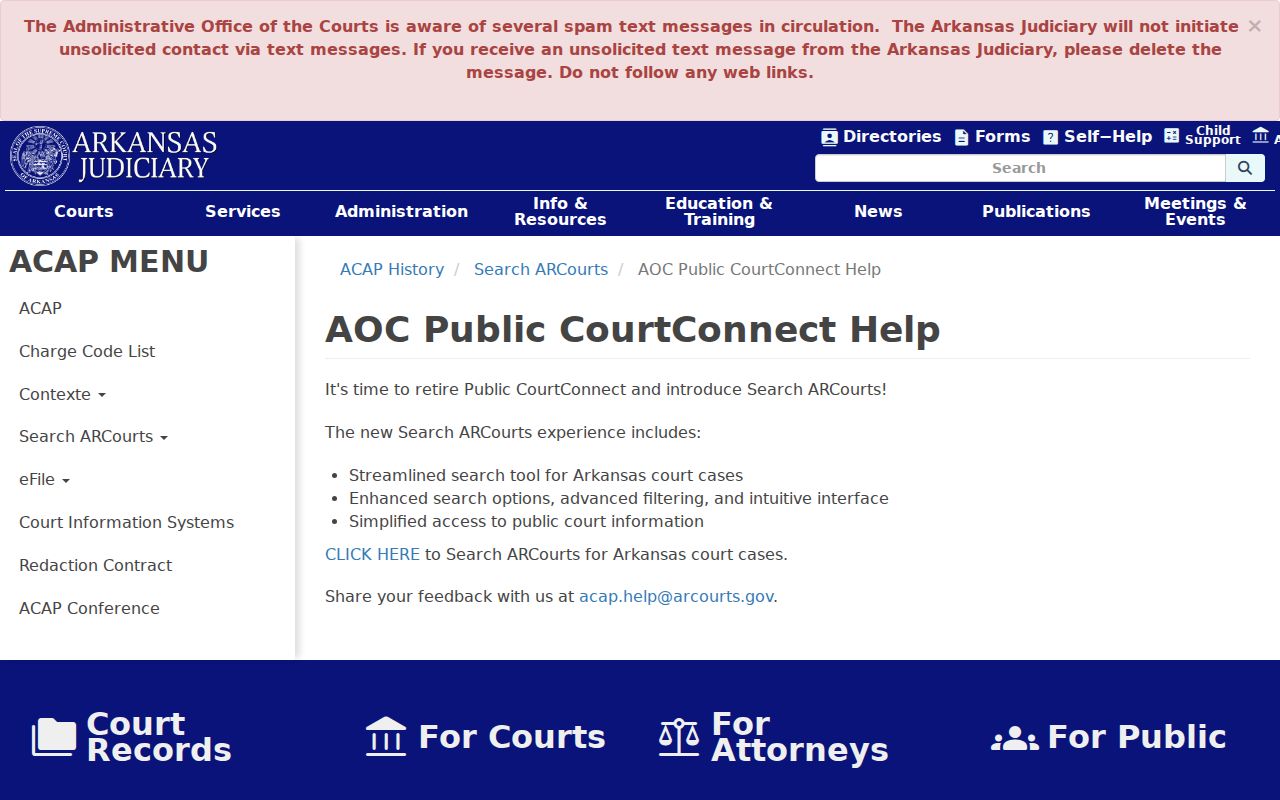
That transition does not turn the case portal into a complete Carroll County warrant database. A narrow sheriff FOIA request works better. It may be emailed, mailed, faxed, or hand-delivered. Say exactly what you want. A useful request states the record type, a limited date range, the issuing court, and a case number when known. The Carroll County sheriff accepts requests through its FOIA email, by mail to Reports / FOIA at 205 Hailey Road in Berryville, by fax at 870-423-4336, or in person. Ask about redactions too. Request the basis for any of them. Then verify current status by phone. The Arkansas Attorney General describes a general three-business-day response rule, but the record and the legal exemptions control what can be released, so the deadline is no promise of a full warrant file.